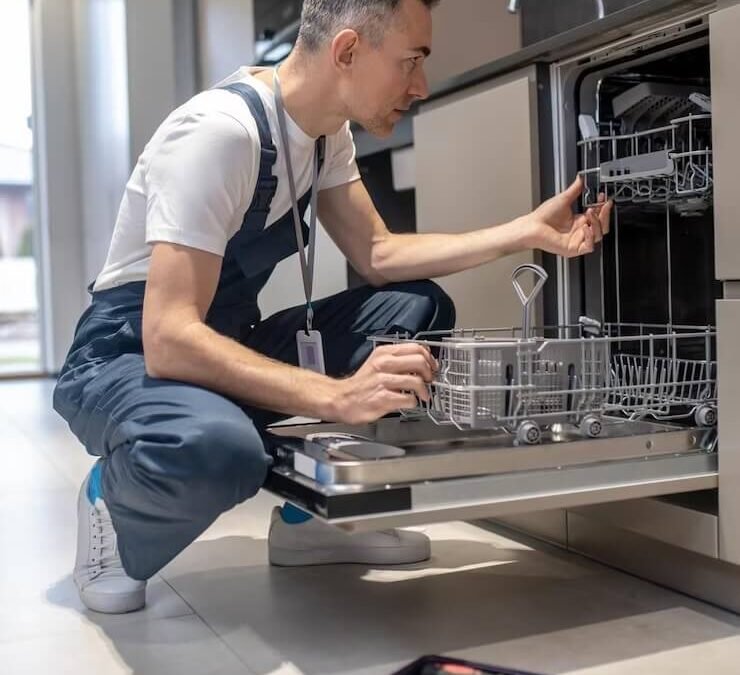
A washer repair service is often called only after a frustrating breakdown, like a washing machine that suddenly stops, starts leaking, or refuses to spin.
These problems rarely happen without warning.
Most begin as small issues that grow over time when ignored.
Many homeowners overlook basic care for their appliances, especially washers that run multiple cycles each week.
Without attention, internal parts wear down, performance drops, and the cost of repairs increases.
What seems like a small problem today can quickly affect other major appliances like your dryer, refrigerator, microwave, and even ovens, as well as other kitchen appliances.
A washing machine works hard every week, just like other major appliances in your home.
Without proper care, parts wear down, performance drops, and the cost of repairs increases.
The Cost of Ignoring Washer Maintenance
Skipping basic maintenance often leads to larger issues:
- Higher repair costs due to damaged parts
- Water damage from hidden leaks
- Reduced efficiency across your appliances
A small issue like poor draining can stress internal systems.
Over time, this causes damage that requires more extensive appliance repair.
Several factors, such as the type of washer, your location, and the extent of the damage, can influence the overall cost of repairs.
If problems continue, it’s best to consider a professional washer repair service to prevent further damage.
Learning how a professional repairman approaches appliance repair helps you find issues early.
This guide will help you learn how to care for your washer, reduce the need for service, and protect your home.
Why Preventive Maintenance Matters for Your Washing Machine
Every washing machine depends on multiple systems working together.
When one part fails, it affects the entire unit and may require additional repairs.
Preventive maintenance matters for all washers, no matter the brand or where they were purchased.
The Cost of Ignoring Washer Maintenance
Ignoring maintenance impacts your home and your budget.
- Increased cost from repeated repairs
- Risk of water damage from hidden leaks
- Lower performance across all appliances
Small issues, such as poor draining, can create stress inside the machine.
This can damage internal parts and increase repair needs.
Benefits of Routine Washer Maintenance
Regular care improves the performance of your washer and other major appliances.
- Better efficiency and cleaning results
- Extended appliance life (average 10–13 years)
- Fewer emergency service calls
Routine checks help ensure your machine runs smoothly and reduce unexpected downtime.
Common Washing Machine Problems a Washer Repair Service Sees
A trained repairman often sees similar issues across major brands like Whirlpool and other models.
Understanding these common problems helps you take action early.
Washer Not Draining Properly
If your washer is not draining, water remains in the drum.
Common causes include:
- Blocked drain hose
- Clogged pump filter
- Faulty pump
You can check for obstructions, but if the issue continues, schedule a professional inspection.
Excessive Noise or Vibration
A washing machine that makes a loud noise may have worn parts.
- Unbalanced loads
- Worn bearings
- Loose components
If noise persists, a repairman should inspect the system.
Water Leaks
A leak coming from your washer can damage your home and nearby appliances.
- Damaged hoses
- Loose connections
- Broken seals
If your washer is leaking, check the hose connections to ensure they are tight and not damaged.
Always check connections first.
If the leak continues, request professional service.
Washer Not Spinning
A washer that does not spin may have internal issues.
- Broken drive belt
- Faulty switch
- Motor failure
These issues often require professional appliance repair.
Daily and Weekly Washer Maintenance Tips
Small habits can reduce repairs and extend the life of your washer.
When performing maintenance or using your washer, remember to press the control panel buttons firmly and correctly to ensure proper operation.
Proper Loading Techniques
Loading correctly helps your washer work efficiently.
- Avoid overloading
- Balance clothes evenly
- Do not run empty cycles
Balanced loads protect internal parts.
Use the Right Detergent
The right product helps maintain performance.
- Use the recommended detergent
- Avoid excess soap
- Follow instructions
Too much detergent can clog systems.
Leave the Door Open After Use
Moisture can build up inside the washer.
- Leave the door open
- Allow air circulation
- Dry the seal
This simple step prevents odor and damage.
Inspect for Visible Issues
Quick checks help you find issues early.
- Look for leaks
- Inspect hoses
- Check seals
These steps make maintenance easy and prevent costly repairs.
Monthly and Seasonal Washer Maintenance Checklist
Following a regular maintenance schedule helps your washer and other appliances stay reliable.
It’s important to ensure your washer is properly installed and leveled, as improper installation can lead to leaks or malfunctions.
Maintenance Checklist
- Clean the drum monthly
- Check hoses for wear
- Inspect filters
- Level the machine
- Test water flow
These steps help ensure your system works properly.
Replacement Guidelines
- Replace hoses every 3–5 years
- Inspect parts regularly
- Upgrade worn components
These actions reduce repair costs and protect your home.
Scheduling Maintenance for Your Washing Machine
Scheduling regular maintenance for your washing machine is one of the best ways to ensure your appliance continues to run efficiently and avoid frustrating breakdowns.
At Mr. Appliance, our expert technicians are equipped to provide routine maintenance and repairs for all major appliances, including washing machines from major brands like Whirlpool.
We strive to deliver exceptional service with upfront pricing and warranty coverage, so you always know what to expect.
Our team is dedicated to helping you extend the life of your washing machine and other appliances, making sure your home runs smoothly, and your investment is protected.
How Often Should You Schedule Maintenance?
To keep your washing machine in top condition, we recommend scheduling maintenance at least once a year.
If you have a large family or your washing machine sees heavy use, more frequent checkups may be necessary.
Our team of expert technicians can help you determine the ideal maintenance schedule based on your usage and provide you with a clear list of benefits.
Regular maintenance not only reduces the cost of unexpected repairs but also helps extend the life of your appliance, ensuring you get the most out of your investment.
Creating a Maintenance Calendar
Staying on top of your washing machine’s maintenance is easy when you create a maintenance calendar.
Simply select a date and time that fits your schedule, and our team will ensure a qualified repairman arrives promptly to complete the service.
We offer convenient scheduling options, including online request forms and phone support, so you can find a time that works best for you.
Our goal is to make the process as easy and stress-free as possible, so you never have to worry about missing an important maintenance appointment.
Benefits of Scheduled Professional Checkups
Scheduling professional checkups for your washing machine offers peace of mind and long-term savings.
Our expert technicians will thoroughly check your appliance for signs of wear, leaking, draining issues, and other potential problems before they become costly repairs.
We provide clear recommendations for any needed repairs or maintenance, and all our services are covered by a comprehensive warranty—so you can trust that your washing machine is protected.
By keeping up with regular maintenance, you’ll enjoy a longer appliance life, lower repair costs, and reliable performance.
At Mr. Appliance, we recommend scheduling your next maintenance appointment today to experience these benefits for yourself. Our team is here to provide the service and support you need to keep your home running smoothly.
Signs You Need a Professional Washer Repair Service
Some problems require a trained repairman.
Persistent Error Codes
Error codes often indicate deeper issues.
- Sensor problems
- Control board faults
- Electrical issues
These issues should be professionally covered.
Burning Smell or Electrical Problems
This is a serious warning.
- Stop using the machine
- Disconnect power
- Call for service
Electrical problems require expert attention.
Repeated Breakdowns
If your washer fails often, there may be a hidden problem.
- Frequent repairs
- Reduced performance
- Multiple failures
A skilled team can diagnose the issue.
Continuous Water Leaks
Leaks can damage your home quickly.
- Turn off the water
- Inspect hoses
- Schedule repair
This protects your appliances and property.
DIY Troubleshooting vs Professional Repair: What’s Safe?
Understanding what you can fix helps avoid further damage.
Safe DIY Fixes
- Clean filters
- Reset the machine
- Tighten hoses
These fixes are easy and safe.
Repairs to Avoid
- Electrical work
- Motor repairs
- Internal systems
Incorrect handling increases cost and risk.
Cost Comparison
Knowing the average cost helps you decide.
- Service call: around $75
- Typical repair: $150–$350
- Major repairs: higher depending on parts and labor
Most repairs are completed within 1–2 hours.
How to Extend the Lifespan of Your Washing Machine
Extending the life of your washing machine reduces repair needs.
Avoid Overuse
Reduce strain on the machine.
- Limit daily use
- Avoid heavy loads
Regular Cleaning Routine
Keep the system clean.
- Clean drum
- Wipe seals
- Maintain filters
Replace Worn Parts
Timely replacement prevents breakdowns.
- Hoses
- Belts
- Filters
Proper care helps your washer, dryer, range, and other appliances perform better.
Choosing the Right Washer Repair Service Technician
Selecting the right service ensures quality work.
Experience and Certification
Look for expert technicians.
- Licensed professionals
- Experience with major brands like Whirlpool
- Proper training
Diagnostic Approach
A reliable repairman will:
- Inspect first
- Identify the root problem
- Explain the repair
Transparent Pricing
Always look for upfront pricing.
- Written estimates
- Clear labor costs
- No hidden fees
Warranty and Coverage
Check the warranty details carefully.
- Parts and labor warranty
- Confirm what is covered
- Ensure all work is guaranteed
A strong warranty protects your investment and builds trust.
Reviews and Reliability
Before you select a service:
- Check online reviews
- Look at ratings
- Verify reliability
Independent providers often deliver better results.
FAQ – Washer Repair Service Questions
What’s the average cost to repair a washing machine?
The average cost for repairs ranges from $150 to $350. This includes both parts and labor, depending on the issue.
Is it worth it to repair a washer?
If your washer is under 10 years old, repairs are often worth it. If the cost exceeds 50% of the replacement cost, you may want to consider a new unit.
How much does it cost for someone to repair a washing machine?
A professional repairman may charge a service fee plus repair costs. Most repairs are completed within 1–2 hours.
How long should a washing machine last?
A washing machine typically lasts 10–13 years with proper maintenance and care.
Why is my washer making loud noises?
Noise can come from worn parts, unbalanced loads, or internal damage.
Can I fix a washing machine myself?
Basic maintenance is easy, but complex repairs should be handled by professionals.
Conclusion
Taking care of your washer and other appliances helps reduce repairs and extend their life.
Regular maintenance, simple checks, and timely action can prevent major problems.
A proactive approach helps you find issues early, reduce repair costs, and keep your home running smoothly.
Whether it is your washer, dryer, refrigerator, microwave, or ovens, proper care makes a difference.
If issues persist, do not wait. Schedule professional service to ensure safe and reliable repairs that you can trust.
As a final tip, always keep records of when your washer was delivered and installed—this information is important for warranty claims and confirming service eligibility.